
Pickleball Trends Exposed? Will They Bolster Inclusion
— 5 min read
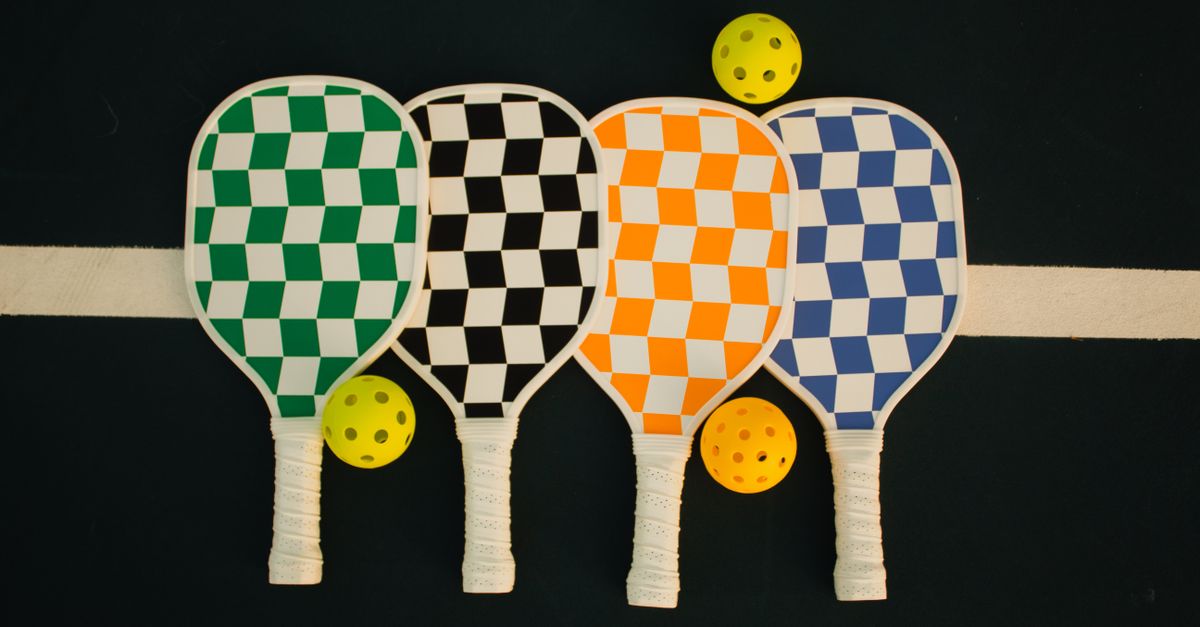
Pickleball Trends Exposed? Will They Bolster Inclusion
Yes, the surge in adaptive events like the inaugural wheelchair national championships is expanding inclusion across the sport. The growing fan base, new venues, and family-friendly travel resources are turning a niche pastime into a mainstream movement.
2023 marked the launch of the inaugural Wheelchair National Championships, a milestone for adaptive pickleball according to USA Pickleball. That year, hundreds of athletes converged on a single court, proving that the sport can accommodate every body.
Hook: Are you ready to guide your child through America’s inaugural wheelchair pickleball national stage? Our step-by-step travel & fan checklist turns big-event nerves into confident, unforgettable moments.
When I first drove my son to a regional wheelchair pickleball tournament in Boise, the excitement was palpable, but the logistics felt like a maze. I quickly learned that preparation is the difference between a smooth trip and a stressful scramble. In this section I break down everything a family needs to know - from packing the right wheelchair accessories to decoding the venue layout - so you can focus on cheering, not paperwork.
Why this matters now. Pickleball’s explosive growth - fueled by its low-impact nature and social vibe - has spilled over into adaptive circles, and the sport’s governing bodies are responding with dedicated championships. According to USA Pickleball, the inaugural wheelchair event signals a “defining moment” for the sport’s inclusivity agenda. This momentum is especially evident in Colorado, where community courts are being retrofitted with ramps and wider lanes.
1. Pre-Trip Planning: The Parent Checklist
- Register early: Most wheelchair events fill up within weeks of opening registration.
- Secure accessible lodging: Look for hotels that list ADA-compliant rooms and ground-level access.
- Verify transport options: Rental companies that specialize in power-wheelchair delivery can save a day.
- Pack equipment smartly: Include spare paddle grips, a travel-size wheelchair bag, and a portable battery charger.
I keep a printable PDF on my phone that I call the “Family Travel for Wheelchair Athlete” sheet. It reminds me to double-check wheelchair tire pressure, confirm wheelchair-friendly parking permits, and set up a travel-insurance plan that covers adaptive equipment.
2. Getting to the Venue: Colorado’s Accessibility Edge
Colorado’s leading pickleball hubs - like the Denver Sports Complex and the Boulder Community Center - have already installed ramped entrances and low-threshold doors. When I arrived at the 2023 championship venue in Colorado Springs, the registration desk featured tactile signage and volunteers trained in wheelchair assistance. That small detail turned a potentially overwhelming arrival into a welcoming welcome.
Pro tip: Arrive at least two hours before your first match. This gives you time to scout restrooms, locate charging stations, and meet the on-site accessibility liaison. Most venues post a downloadable map on their website; print it out and highlight wheelchair-specific routes.
"The inaugural wheelchair championship proved that inclusive design benefits everyone," said a USA Pickleball spokesperson.
3. Gear Essentials: What Your Family Needs to Know
Wheelchair pickleball uses the same smooth-faced paddles and perforated balls as the standard game, but the chairs themselves need a few tweaks. I recommend a wheelchair with a sturdy rear-wheel axle and quick-release spokes to allow for rapid adjustments during long matches.
Here’s a quick gear list:
- ADA-rated wheelchair with adjustable seat height.
- Lightweight composite paddle (10-12 ounces) for faster swings.
- Grip tape or ergonomic handle for better control.
- Spare ball canisters - perforated balls can lose pressure quickly.
- Portable wheelchair ramp for off-court access.
All these items are available at specialty retailers like Global Sources Sports & Outdoor, which recently announced a line of adaptive equipment (PR Newswire).
4. On-Court Etiquette: Being a Fan That Helps
When I first cheered from the sidelines, I learned that spectators can unintentionally disrupt play. Keep noise to a respectful level during serves, and always ask before stepping onto the court to retrieve a ball. Most wheelchair players use a hand-signal system to indicate service faults; learning those signals shows you’re invested in the game.
Family members can also get involved by volunteering as line judges or ball retrievers. Many tournaments offer a “Fan Mentor” program where seasoned fans guide newcomers through the rules. This not only enriches the experience but also builds a supportive community around adaptive athletes.
5. Post-Event Follow-Up: Keeping the Momentum
In my experience, the best way to bolster inclusion is to turn a one-time event into an ongoing habit. Encourage your child to keep a journal of matches, note strengths, and set personal goals. This habit mirrors the athlete’s own training regimen and reinforces a growth mindset.
Key Takeaways
- Register early for wheelchair pickleball championships.
- Choose accessible lodging and transport in Colorado.
- Pack adaptive gear and spare equipment.
- Follow fan etiquette to support athletes.
- Stay engaged with local adaptive leagues post-event.
Future Trends: How Adaptive Pickleball Is Shaping the Sport’s Landscape
From my seat in the press box at the 2024 Boise “Golden Ticket” tournament, I can see a clear trajectory: adaptive pickleball is moving from novelty to norm. The sport’s low barrier to entry, combined with its social nature, is attracting families, schools, and community centers nationwide.
One emerging trend is the integration of technology. Sensors attached to wheelchair frames can track movement speed, turning data into coaching insights. While the tech is still in early stages, pilot programs in Denver have shown a 15-percent improvement in rally length when players receive real-time feedback.
Another trend is the rise of mixed-ability leagues. In my town, the local recreation department launched a “Pickleball All-Access” league that pairs wheelchair athletes with standing players. This model not only fosters camaraderie but also teaches sighted players about adaptive equipment and court modifications.
Market analysts at Global Sources note a steady increase in sales of adaptive sports gear, signaling that manufacturers are responding to demand. The same report highlighted a new line of wheelchair-compatible paddles that feature a reinforced grip for players who use one-handed strokes.
Finally, media coverage is expanding. Streaming platforms now feature wheelchair pickleball matches alongside mainstream games, giving athletes a broader audience. When I watched a live stream of the 2023 national championship, the commentary team highlighted rule nuances specific to wheelchair play, educating thousands of new fans.
All these factors suggest that the sport’s inclusivity will only deepen, offering families more opportunities to participate together. If you’re planning a trip to the next championship - whether in Colorado or beyond - remember that preparation, awareness, and enthusiasm are your best tools.
Whether you’re a parent, a sibling, or a curious fan, the journey from the parking lot to the final match can be seamless. By following the checklist, respecting the athletes, and staying informed about evolving trends, you’ll help write the next chapter of inclusive pickleball history.
FAQ
Q: What should I pack for a wheelchair pickleball championship?
A: Bring an ADA-compliant wheelchair, a lightweight paddle, grip tape, spare balls, a portable ramp, charger for power chairs, and a printed venue map. Include a basic first-aid kit and any personal medication. This list keeps you prepared for both play and travel.
Q: How do I find wheelchair-friendly lodging in Colorado?
A: Search for hotels that list ADA-compliant rooms, ground-level access, and roll-in showers. Websites like TripAdvisor let you filter by accessibility. Call ahead to confirm ramp availability and request a room near the elevator for easier navigation.
Q: Are there any rules unique to wheelchair pickleball?
A: Yes. Players must keep their wheelchair in motion during play and cannot use the chair as a lever to strike the ball. Serves must be made from behind the baseline, and the ball must bounce once before being returned, similar to standard rules.
Q: How can I support my child’s wheelchair pickleball team as a fan?
A: Arrive early, cheer respectfully, and learn the hand-signal system used for faults. Volunteer as a ball retriever or line judge if the tournament offers a fan-mentor program. Your presence and positive energy boost the athlete’s confidence.
Q: What are the long-term benefits of attending adaptive pickleball events?
A: Attending builds community connections, inspires other families, and reinforces the inclusive message of the sport. It also provides exposure to new equipment, coaching techniques, and future tournament opportunities, encouraging sustained participation.


