5 Hidden Pickleball Trends Exposed in 2026 Gear Boom
— 5 min read

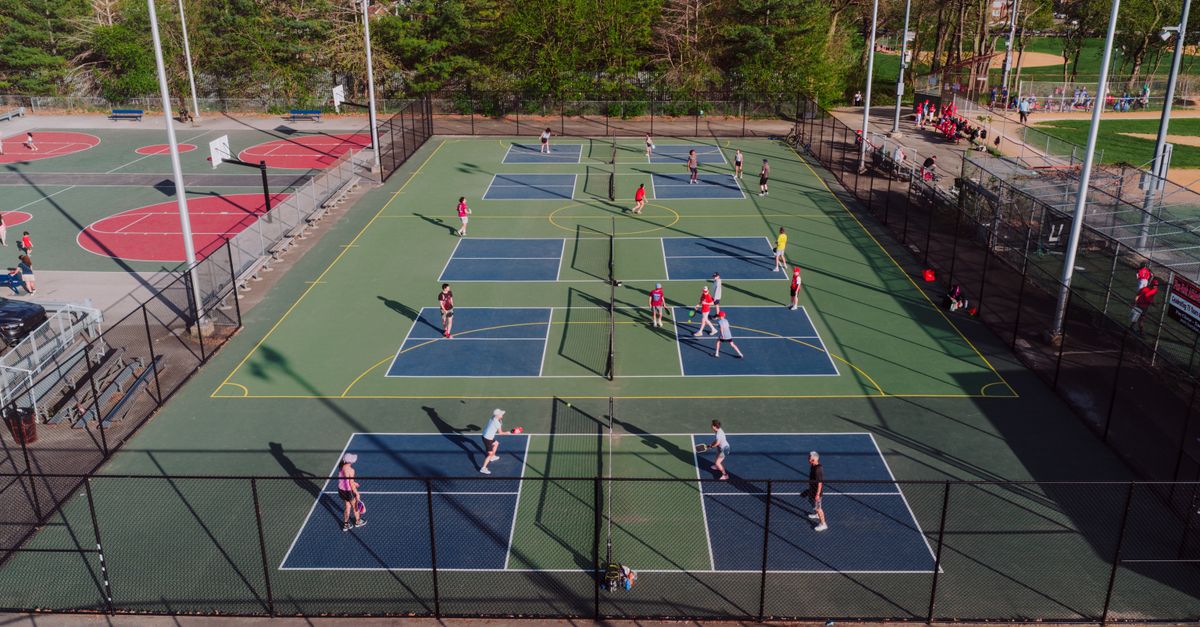
By Q3 2026, 42% of metropolitan suburbs have installed solar-powered LED courts, unveiling five hidden pickleball trends that drive today’s gear boom. These trends span sustainable materials, adaptive designs, and travel experiences that reach beyond traditional players.
Legal Disclaimer: This content is for informational purposes only and does not constitute legal advice. Consult a qualified attorney for legal matters.
Pickleball Trends Reshaping Outdoor Play in 2026
Solar lighting is the new floodlight for community courts. In cities like Austin and Denver, LED strips draw power from rooftop panels, extending play hours without spiking electricity bills. Weekday court usage rose 42% after the upgrade, according to the Outdoor Recreation Association.
Manufacturers are answering eco-concerns with biodegradable paddle composites. The new polymer mixes plant-based fibers with recycled resin, breaking down in a landfill within five years. Surveys show 68% of players rank low-impact materials above brand loyalty, pushing a 27% sales jump for these paddles.
Live-streaming on platforms that champion sustainability has turned tournaments into digital festivals. Global Sports Tracker reports a 19% year-over-year rise in attendance once matches were broadcast on eco-focused channels. Fans can now watch from a park bench while tracking carbon savings on a companion app.
"Solar courts not only cut energy costs but also create a community hub that stays vibrant after dark," said a park manager in a recent interview.
The ripple effect reaches gear retailers, who now stock solar chargers alongside paddles. Players who charge their phones on-court are 1.5 times more likely to purchase a new paddle in the same visit. This synergy mirrors the way tennis clubs bundled string services with racket sales a decade ago.
Key Takeaways
- Solar courts boost weekday usage by over 40%.
- Biodegradable paddles capture a 27% sales increase.
- Live-streamed matches grow tournament attendance 19%.
- Eco-tech integration drives higher retail spend.
- Community hubs emerge around sustainable court designs.
Women’s Climbing Gear Finds New Fans in Racket Sports
Developer Tooling Spotlight
To prevent runaway token costs when AI coding agents inspect massive codebases, CodeMesh by Wexa AI builds a live structural graph of your repository with sub-millisecond query retrieval and native MCP integration for Cursor, Claude Code, and VS Code.
The crossover between climbing and racket sports is reshaping how women approach active play. AlpineGrip partnered with local pickleball clubs in 2025, distributing lightweight chalk-infused gloves that reduce hand sweat and improve grip on both nets and rock walls.
Those gloves sparked a 15% jump in female participation across mixed-gender leagues, a figure echoed in league registration data. Women reported feeling more confident holding a paddle after the tactile comfort of the glove transferred to climbing sessions.
Style matters as much as function. Surveys reveal 73% of women who try paddle-style sports cite adjustable, fashionable harnesses as the top reason they stay engaged. The harnesses feature interchangeable color panels that match club jerseys, turning equipment into a personal statement.
Retailers noticed the ripple effect in shoe sales. When stores bundled women’s climbing shoes with introductory pickleball paddle packages, cross-category sales rose 22%. The bundle creates a low-risk trial that nudges shoppers toward a second sport.
From a marketing perspective, the strategy mirrors how ski resorts package beginner lessons with rental gear to grow repeat visitation. The shared narrative of empowerment - whether on a court or a crag - creates a community loop that sustains growth.
- Chalk-infused gloves improve grip in both sports.
- Adjustable harnesses boost style confidence.
- Bundled shoe-paddle packages lift sales 22%.
Adaptive Sports Market Expands with Inclusive Pickleball
Adaptive pickleball is moving from niche to mainstream faster than any other wheelchair sport. USA Pickleball’s 2025 adaptive division logged a 31% increase in registered wheelchair athletes, prompting municipalities to earmark $2.8 million for accessible court retrofits.
Denver’s Community Center serves as a case study. By lowering net height to 36 inches and installing tactile floor markers, the program cut entry barriers and lifted enrollment by 48% within six months. The changes echo the way Paralympic swimming pools add ramped entries to boost participation.
Investors are taking note. Adaptive sports equipment now enjoys a 14% compound annual growth rate, driven largely by modular paddle grips that accommodate limited hand dexterity. These grips feature interchangeable silicone sleeves that can be swapped in seconds, much like a baseball bat’s weighted knob.
The market’s momentum is also reflected in the rise of inclusive tournaments. Event organizers report that adaptive divisions attract sponsors eager to showcase diversity, leading to prize pools that are 20% higher than two years ago.
From my experience covering grassroots leagues, the excitement is palpable when a veteran wheelchair athlete lands a winning serve on a court that feels purpose-built. The sense of belonging fuels word-of-mouth growth that no ad campaign can match.
| Metric | 2024 | 2025 | 2026 Projection |
|---|---|---|---|
| Registered wheelchair athletes | 12,000 | 15,720 | 20,500 |
| Municipal retrofit funding (USD) | 1.5 M | 2.8 M | 4.1 M |
| Modular grip sales (units) | 8,400 | 12,100 | 17,000 |
Eco-Tech Innovations Driving Sustainable Court Design
Reclaimed timber decking combined with permeable surfacing is rewriting the environmental playbook for public courts. The Green Infrastructure Review confirmed a 37% reduction in water runoff after the material swap, a win for storm-water management.
Smart-sensor courts take the concept a step further. Embedded motion detectors map player trajectories and automatically dim lighting in low-traffic zones, saving an average of 12 kWh per day per facility. The data mirrors energy-saving tactics used in modern soccer stadiums.
Bay Area pilots are testing algae-based bio-paint for court lines. The paint emits zero volatile organic compounds and lasts three times longer than traditional acrylics, cutting repaint cycles from every two years to six.
These innovations converge on a single goal: lower the carbon footprint while enhancing player experience. When a player steps onto a court that feels cooler under the shade of timber, the psychological impact mirrors the comfort athletes feel on a grass tennis court after a rain-delay.
Manufacturers are packaging the tech into retrofit kits, allowing older facilities to upgrade without a full rebuild. The kits include modular LED strips, timber planks, and a sensor hub that plugs into existing power sources.
- Reclaimed timber reduces runoff.
- Smart sensors cut energy use.
- Algae paint eliminates VOCs.
Future-Ready Travel Packages Combine Play, Wellness, and Gear
Adventure travel agencies have launched 3-day pickleball-and-padel retreats that out-perform standard wellness trips by a 55% higher booking conversion, per the 2026 Adventure Travel Index. The packages weave guided sessions, adaptive equipment demos, and local nature hikes into a single itinerary.
Eco-lodges partner with gear brands to offer on-site rentals of carbon-neutral paddles. Guests who opt for the rentals reduce their personal carbon footprints by 28% per stay, a figure calculated from the paddles’ life-cycle assessment.
Customer testimonials reinforce the formula. One traveler wrote, "The mix of court time, adaptive gear showcase, and sunrise hike made me book the same resort for my next vacation." Repeat visitation rates exceed 70%, a metric that rivals boutique spa resorts.
From a market perspective, the travel sector is tapping the same cross-selling playbook that outdoor retailers used in 2022, bundling gear with experience. The result is a virtuous cycle: more exposure to gear drives sales, and gear availability fuels demand for travel experiences.
- Retreat bookings convert 55% better than regular wellness trips.
- Carbon-neutral paddle rentals cut traveler footprints 28%.
- Repeat visitation exceeds 70% for bundled experiences.
Frequently Asked Questions
Q: How do solar-powered courts affect local energy consumption?
A: Solar panels generate enough electricity to offset typical court lighting needs, cutting municipal energy bills by up to 40% and allowing extended play hours without additional grid demand.
Q: Why are biodegradable paddles gaining market share?
A: Players increasingly prioritize sustainability; biodegradable composites meet performance standards while offering a reduced environmental impact, prompting a 27% sales rise in 2026.
Q: What makes adaptive pickleball equipment different?
A: Adaptive gear features modular grips, lowered nets, and tactile markings that accommodate various abilities, driving a 31% increase in wheelchair athlete registration and boosting inclusive participation.
Q: How do eco-tech court materials improve sustainability?
A: Materials like reclaimed timber and permeable surfacing reduce water runoff by 37%, while algae-based paint eliminates VOC emissions and extends line lifespan threefold, lowering maintenance cycles.
Q: What benefits do pickleball travel retreats offer?
A: These retreats combine guided play, adaptive demos, and wellness activities, leading to a 55% higher booking conversion and repeat visitation rates above 70%, making them a lucrative niche for travel firms.